Employee Motivation and Engagement: An Event Strategy for HR
One picnic a year is not a motivation strategy. How to build an event calendar that genuinely moves employee engagement; a framework of rhythm, format and measurement.
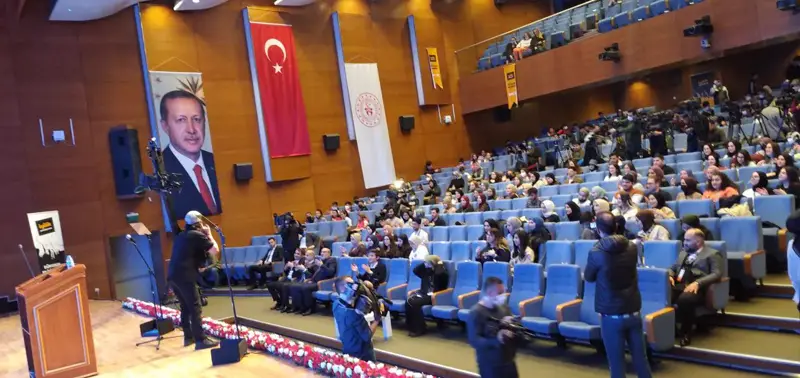
Employee engagement research has repeated one finding for years: people don't leave companies; they leave teams and a lack of meaning. Salary and title get someone through the door; what keeps them inside is the bond they build with their team and the meaning they attach to their work.
Events work exactly at this point, but on one condition: they must be designed as a strategy. A picnic held once a year and forgotten afterwards is calendar filler, not a motivation strategy. This article lays out the framework that turns events into a measurable instrument of HR strategy.
Not one big bang, but a rhythm
The enemy of motivation is monotony, and monotony builds up monthly, not yearly. That's why the ideal design is a pyramid: 1-2 major events a year (kick-off, summer picnic) + one mid-scale experience per quarter (a workshop, a competition) + one micro ritual per month (team breakfast, a celebration). The major event creates memories, the mid-scale one refreshes bonds, and the micro ritual carries the culture.
Give every event a one-sentence purpose
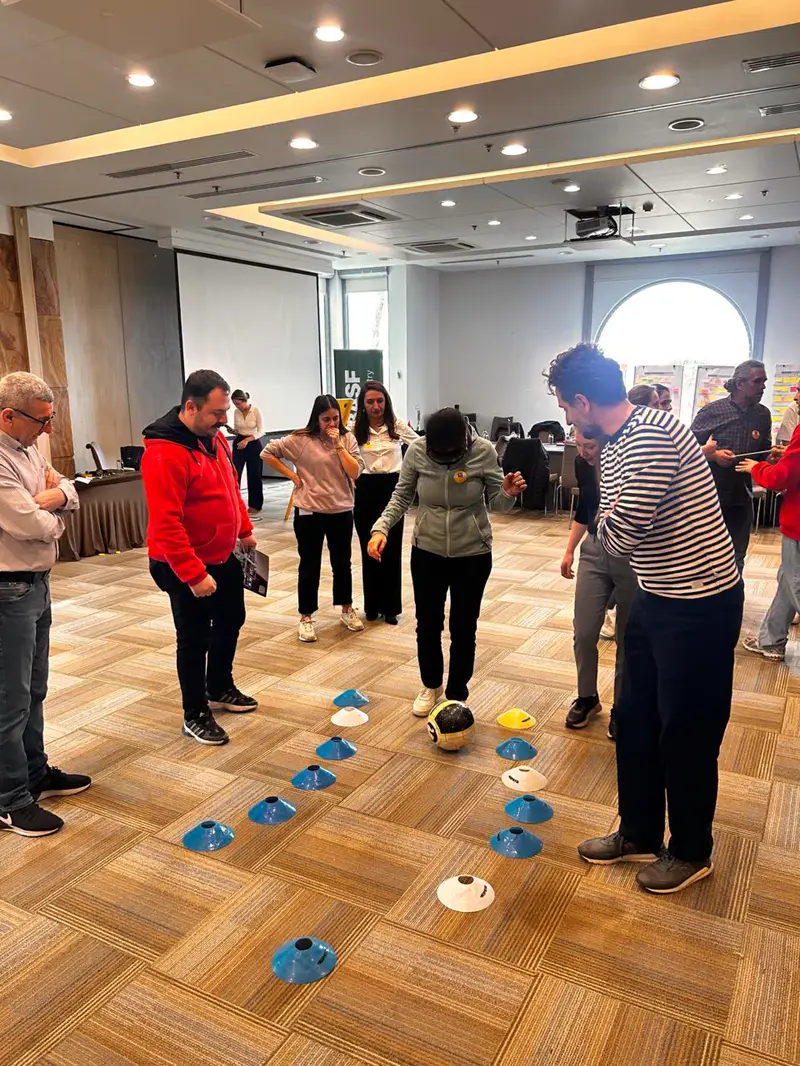
An event held "for morale" is an event held for nothing. When the purpose is clear, the format picks itself: if new teams need to gel, acquaintance-focused team building games; if silos need breaking, mixed-team field competitions; if the team needs to breathe after a hard stretch, non-competitive workshops; if a big win needs celebrating, stage and music. Aligning the format with the purpose is more decisive than its budget.
Inclusivity: the invisible condition of motivation
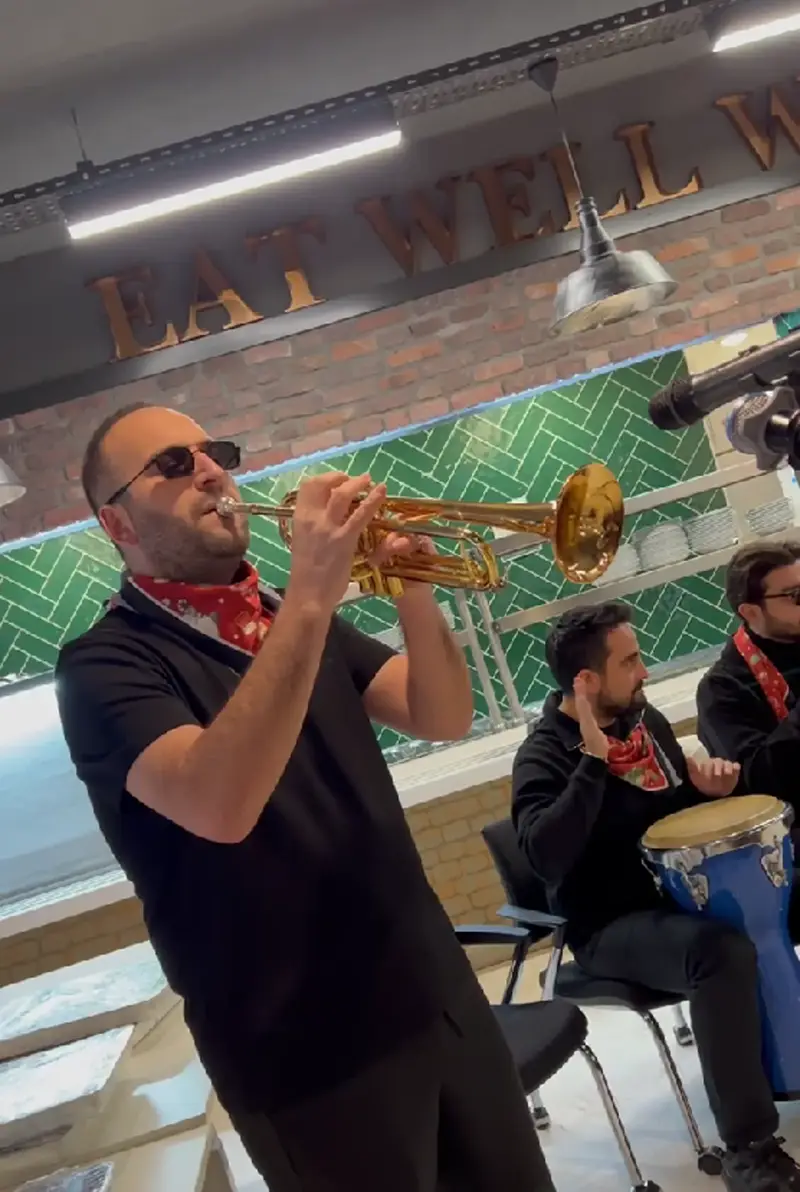
The most common mistake is designing the event for the most social 20% of the team. The employee who doesn't want to run and jump, doesn't want to get on stage, doesn't drink alcohol, or has no one to leave their child with ends up 'on the outside' that day, and for the employee left outside, the event doesn't increase engagement, it erodes it. Every design should include non-physical roles, off-stage participation options and flexible timing. One of the reasons the Company Orchestra works so well is exactly this: there's an instrument for everyone, and no one is forced into a solo.
Measurement: three simple metrics
- Participation rate: what share of invitees showed up? Below 70% signals a format or timing problem.
- Post-event pulse survey: 3 questions, within 48 hours. At our events, average satisfaction is 94%.
- Delayed effect: repeat your eNPS/engagement measurement 3 months later. Among our clients, NPS measured 3 months on rises 3.2x on average; in rhythm-based programs, not one-offs, that effect becomes lasting.
Defending the budget: the numbers HR can use
The cost of losing an employee is calculated at 50-200% of their annual salary (recruitment, training, lost productivity). The annual event budget per person is a small fraction of that. When presenting to leadership, frame the equation at this scale: an event calendar is one of the cheapest line items of retention. If you'd like to plan the program together, start here.
Frequently Asked Questions
Start with 5 short questions: we'll prepare a custom quote in under 24 hours.