Museum Heist Game: A Guide to the Robbery in the Museum Team Game
How is a museum heist game played? A guide to Robbery in the Museum, where teams gather clues in the city and crack a coded safe, and how it differs from an escape room.
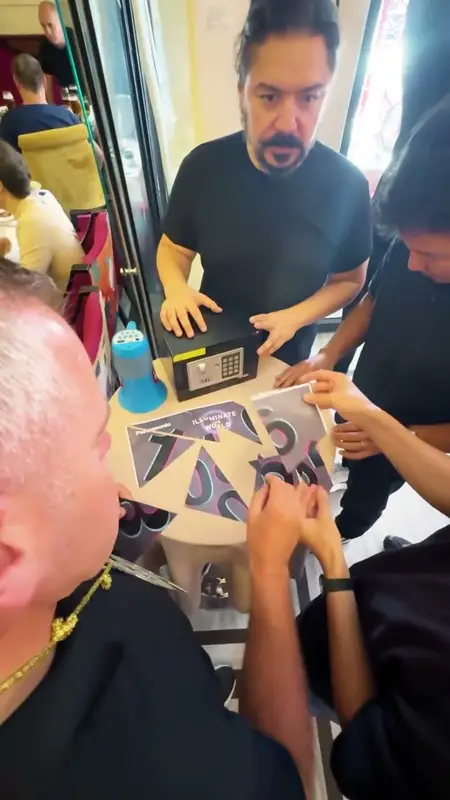
Robbery in the Museum is a heist-themed team game in which crews take on the role of a gang planning a museum robbery, gather clues and crack codes to finally open a locked safe. It combines the puzzle logic of an escape room with city exploration and role play.
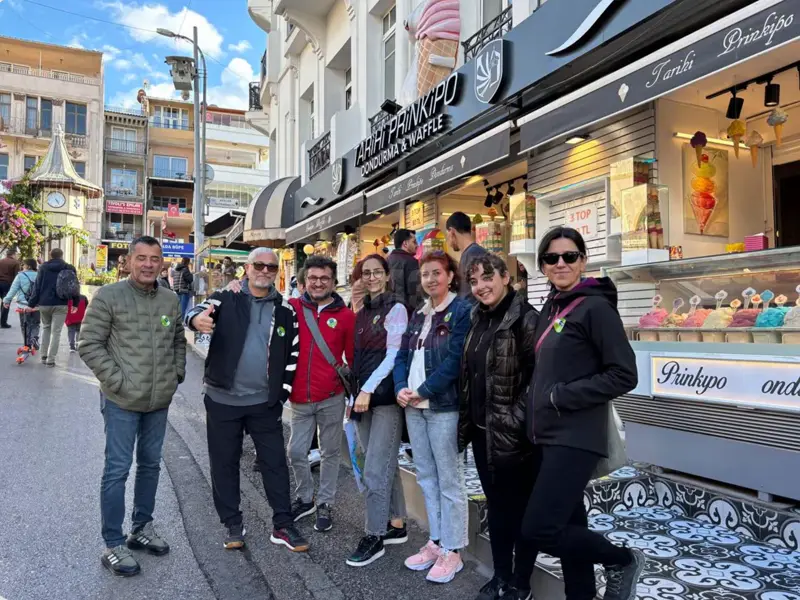
In the video below you can watch a game we set up: teams first chase clues through the city's historic streets, then solve the final puzzle at a code-locked safe in a spotlit hall with a museum atmosphere.
How is a museum heist game played?
- Briefing: teams are introduced to the "heist plan"; the target is the artwork to be stolen and the code of the safe protecting it.
- Field stage: teams head to set points around the city and collect pieces of the code by completing tasks.
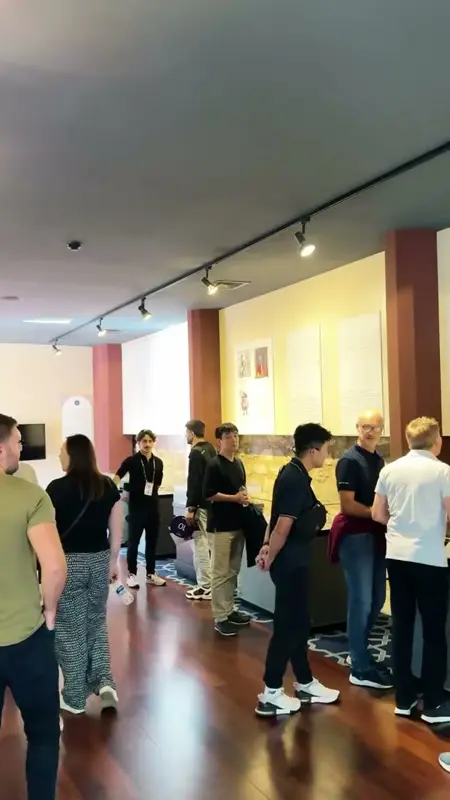
- Museum stage: in the exhibition area set up in the hall, clues are hidden among the artworks, labels and visuals.
- The safe: the collected pieces are combined, the symbols on the cards are decoded and the right code is entered on the keypad.
- Finale: the team that opens the safe first, or uses the fewest hints, wins the heist; scores are revealed in front of everyone.

What is the difference between an escape room and a museum heist game?
An escape room is played in a single room, usually within 60 minutes and with a limited number of players per room. A museum heist game is a wider concept: the play area spreads across the city and a large hall, many teams compete at once and the story relies on sharing roles. Who reads the map, who cracks the code, who watches the clock: the team makes these calls itself. That is why it works well for large corporate groups and for the Istanbul programmes of teams visiting from elsewhere. For international groups like the one in the video, the game can be run in English.
Why does a heist-themed game work at corporate events?
In the game that excitement turns into collaboration: one person's cleverness is not enough to open the safe, because the pieces are in different team members' hands. Planning under pressure, sharing information and the right division of labour directly decide the outcome.
We also have ready-made formats of the same kind: the red-jumpsuit heist experience inspired by the series, La Casa De Papel, the room-based Red Room Escape, and Da Vinci Code, where codes are cracked among works of art. We explain how the city clue-hunting part is designed in our post the anatomy of a treasure hunt.
The main cost factors are the number of participants and teams, the length of the game, the route and city of the field stage, the hall decor and personalisation of the safe and puzzle set, and the language of the game.
Frequently Asked Questions
If you would like to stage a museum heist for your team, contact us and we will design the route, the puzzles and the safe around your group together.
Start with 5 short questions: we'll prepare a custom quote in under 24 hours.