Crime Scene Investigation Game: How Company Teams Play CSI
How is a crime scene investigation game played? Evidence kits, fingerprints and lab forms: the CSI format for company teams, with roles, timing and group size.
A crime scene investigation game is a team game in which teams take on the role of a crime scene unit in a murder scenario, collect and analyse evidence and identify the killer among the suspects. The winner is not the team that guesses fastest, but the one that reaches the most solid conclusion from the evidence.
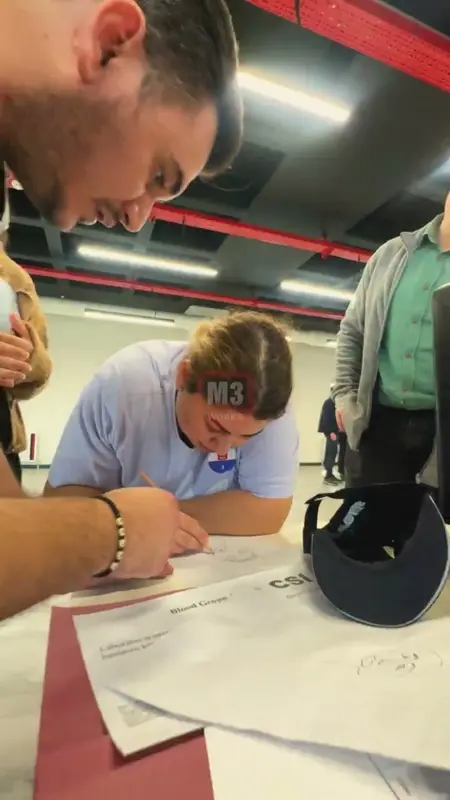
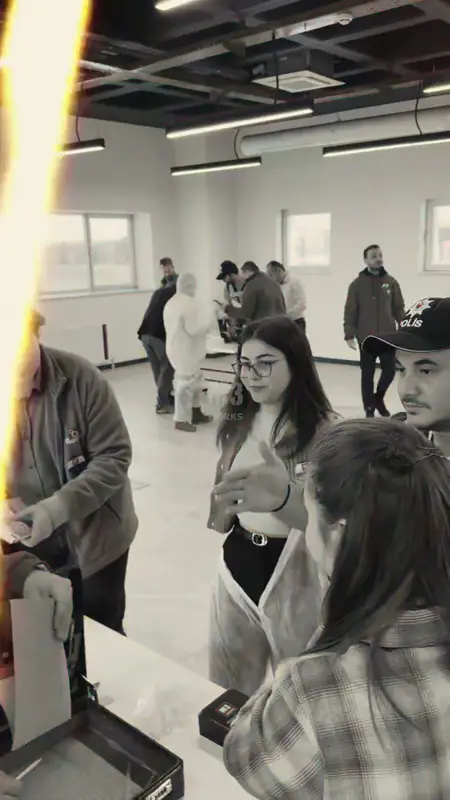
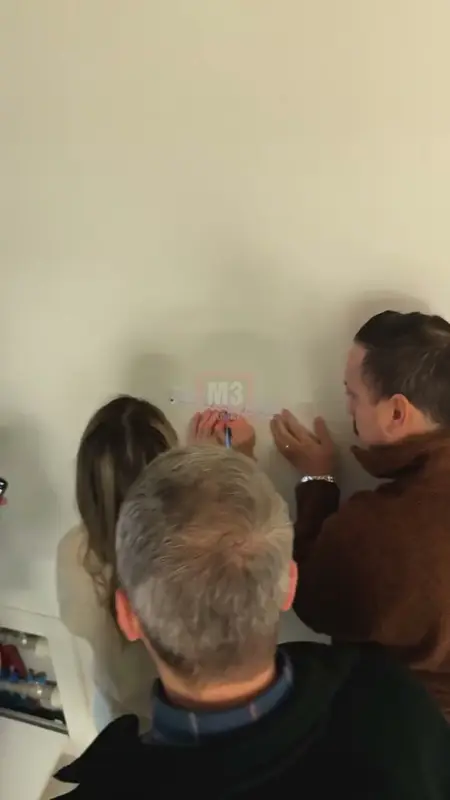
In the video, participants open evidence kits on the tables, search the wall for traces and fill in lab forms marked CSI. A participant in a protective suit is visible in the background: costumes and materials make the game feel serious from the first minute.
How is a crime scene investigation game played?
- Briefing: the case is explained, suspects are introduced and each team receives an evidence kit.
- Crime scene: teams examine the area, mark traces and record what they find.
- Lab: fingerprint, blood type and similar analyses are done on forms, and results are compared with the suspects.
- Interrogation and cross-check: contradictions in statements are matched against the evidence.
- Report: the team names the killer with its reasoning and supporting evidence.
- Final: the team that reaches the right conclusion with the strongest reasoning wins, and the real story of the case is revealed.
What roles are there in the team?
- Scene specialist: examines the area, finds and marks traces.
- Lab lead: runs the analyses and fills in the forms.
- Case file lead: gathers all findings on a single timeline.
- Interview team: listens to statements and sorts out contradictions.
- Team leader: manages time and makes sure the final decision is made together.
This division of roles also shows the real takeaway of the game: teams practise sharing information quickly, separating assumptions from evidence and bringing different ideas to a single conclusion. An analytical thinker and a fast mover on the scene needing each other in the same team creates a kind of collaboration rarely seen in the office.
How many people, how long, and what affects the price?
Our CSI: Crime Scene Investigation format is designed for groups of 10 to 200 and runs 60 to 120 minutes; for larger groups we multiply the crime scene and lab stations. Cost depends on headcount, duration, city and venue, set and costumes, the number of evidence kits and how far the scenario is customised to your company. For distributed teams there is Online CSI Crime Scene Investigation, and for a more classic detective story there is Crime Scene: Agatha Christie. For a version that chases clues across the city, see our Orient Express city game story.
Frequently Asked Questions
If you want to turn your team into a crime scene unit for a day, contact us.
Start with 5 short questions: we'll prepare a custom quote in under 24 hours.