University Event Ideas: Running a Team Competition on Campus
How to design a team competition for university events, from club meet-ups to career days: stations, timing, group size and sponsor involvement.
A team competition is one of the most effective university event formats: participants are split into mixed teams and collect points at stations that test several skills in a short time. From club meet-ups to career days, it is one of the fastest ways to get people on campus genuinely working together within a few hours.
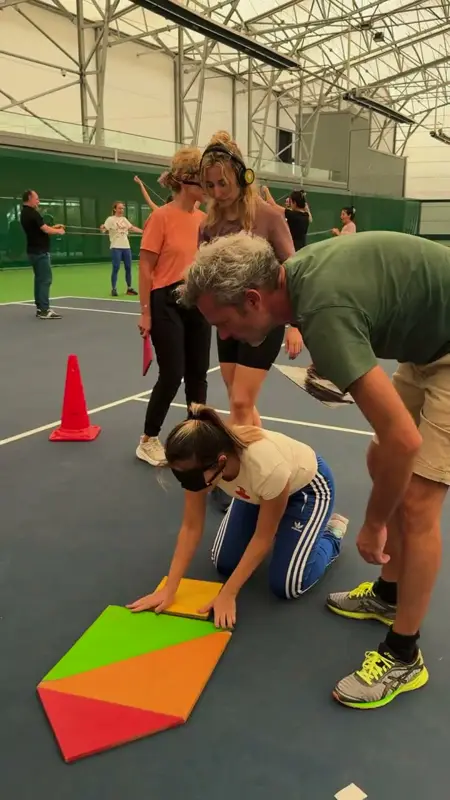
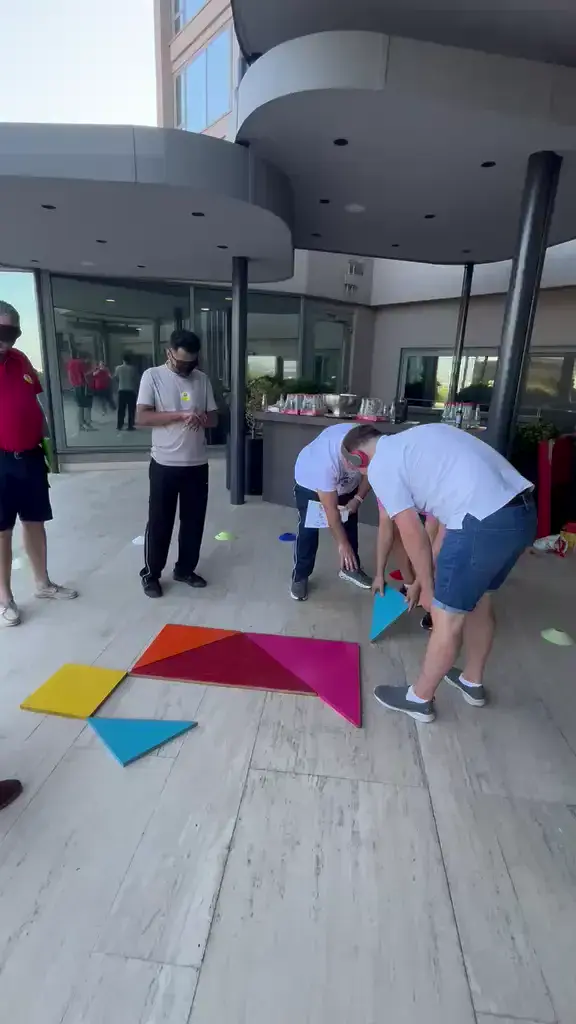
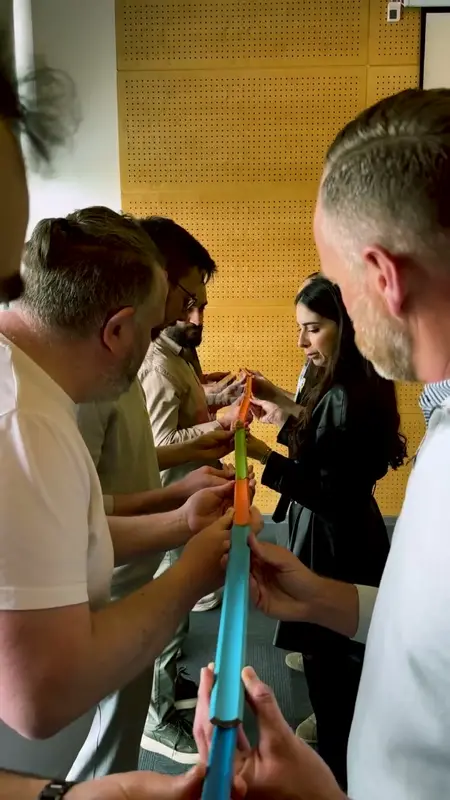
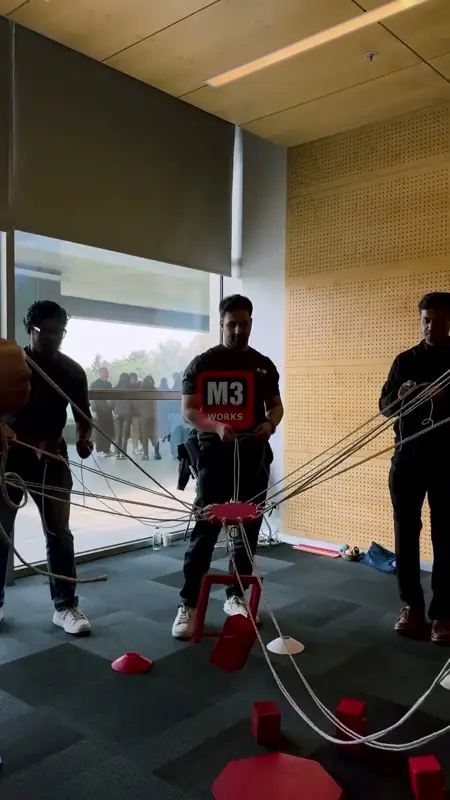
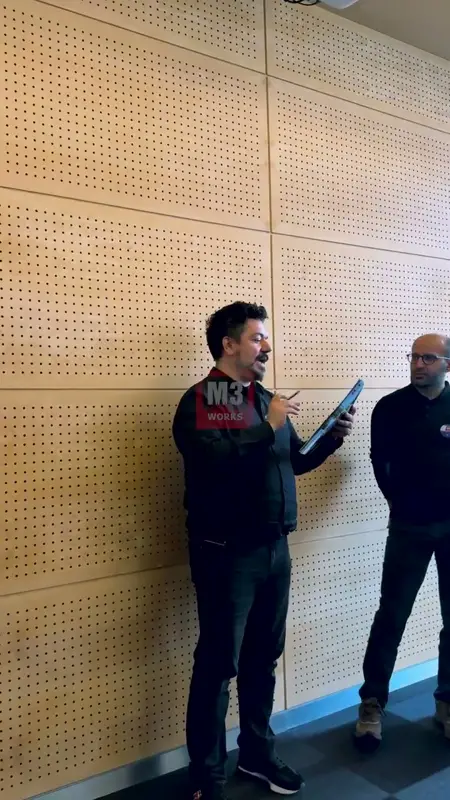
The video shows M3 Challenge set up in the corridors and halls of a university building. At one station a team moves blocks by pulling ropes tied to a ring at the same time; at another they pass a ball hand to hand along short chute pieces. A station with a target board and a game master tracking scores on a tablet are also part of the flow.
What are typical university events, and where does a team competition fit?
A campus calendar is usually made up of club and society events, orientation days, career fairs, sponsored competitions and alumni meet-ups. Most of these are about listening: panels, talks, booth tours. A team competition adds an active piece to that calendar; instead of watching, participants play, talk and decide.
- Orientation and meet-ups: helping new students or new club members bond in mixed teams.
- Career days: letting sponsor companies connect naturally with students by playing on the same team.
- Society events: adding a competitive but friendly segment to a club's annual gathering.
- Academic and administrative staff: a half day that strengthens communication between departments.
- Alumni meet-ups: bringing people from different graduating years together around one goal.
How do you run a team competition on campus?
- Set the goal: meeting new people, sponsor engagement or bonding within a club?
- Choose the venue: a lecture hall foyer, a wide corridor, a sports hall or a campus lawn is enough.
- Mix the teams: spread friends from the same department or class across different teams.
- Balance the stations: combine games that need physical coordination, communication, strategy and focus.
- Keep scores visible: live tracking on a tablet lets teams decide for themselves which station to go for next.
- Plan the close: a short finale where results are announced together, plus an award moment.
What sets M3 Challenge apart is that reaching the summit requires not only your own team's success but proportional success from the other teams too. That rule turns groups from different clubs or departments on campus from rivals into partners with a shared goal. For more classic game ideas, see our team games guide.
How many people, and how long does it take?
M3 Challenge is played in teams of 5 to 15, up to 10 teams, and is designed to last between 90 and 180 minutes. A short 90-minute version suits busy term weeks, while a career day or club festival can take a longer version with more stations. We bring the equipment, the game masters and the scoring system; all the school needs to provide is a suitable space.
Frequently Asked Questions
If you would like to run a team competition for a club, career or orientation event on your campus, contact us and we will plan the stations around your space and schedule together.
Start with 5 short questions: we'll prepare a custom quote in under 24 hours.